Trying to choose between the charm of an older Shawnee home and the ease of a newer build? It is a big decision, especially when you are balancing budget, maintenance, and day-to-day comfort. You want the right fit for your lifestyle, not just the right price tag. In this guide, you will compare the key tradeoffs in Shawnee, see local risks to plan for, and get practical checklists you can use when touring homes. Let’s dive in.
Quick Shawnee market snapshot
U.S. Census QuickFacts lists Shawnee’s median owner-occupied home value at about $160,100 as of the most recent update. That is a useful baseline, but it reflects home values, not just recent sales. Online valuation snapshots and local MLS activity commonly place recent sale prices in the upper-100s to low-200s, so a working range of about $160,000 to $220,000 is reasonable depending on the source and date. You can use the census baseline for context and check an online snapshot for trends as you start your search. Census QuickFacts for Shawnee and a Zillow market snapshot are good reference points.
Local MLS recaps in 2025 noted a slightly calmer market with more inventory and longer days on market than 2024. That means you may have a little more room to compare options before you choose.
Where older vs. newer homes sit
In Shawnee, older neighborhoods tend to cluster near the historic downtown and along long-established corridors. City planning materials highlight preservation efforts and downtown revitalization, which often go hand in hand with character homes in nearby streets. You will find most new subdivisions and spec builds on the edges of town, where larger parcels support planned communities. To understand how the city is thinking about growth and preservation, review the City of Shawnee Strategic Plan.
Lot size and outdoor space
Older neighborhoods often feature mature trees, established landscaping, and irregular lot shapes. Some lots are larger, but not always. Newer subdivisions usually offer more uniform lots with newer plantings and fewer shade trees at move-in.
Shawnee lot sizes vary widely, from compact city parcels to quarter-acre suburban lots to multi-acre parcels just outside city limits. Do not assume size by the age of a home. Verify exact dimensions through the Pottawatomie County parcel and assessor portal and confirm any local setback or coverage rules if you are planning outbuildings or additions.
Energy efficiency and mechanical systems
- New builds are typically built to current code. Expect better insulation, tighter construction, efficient windows, and modern HVAC. That can mean lower near-term energy costs and fewer immediate upgrades.
- Older homes vary widely. Some have been updated over the years, while others may need insulation, duct sealing, window upgrades, or new HVAC to improve comfort and bills. Some efficiency upgrades have been eligible for federal or state incentives in recent years, but rules change. Before you factor potential credits into your budget, review a current policy summary like the Tax Foundation’s IRA-related guide and confirm details with a tax professional.
Maintenance, renovation risk, and inspections
Older homes can deliver a lot of value, but you should plan for more maintenance. Common items include roofing, water heaters, electrical panels, plumbing, windows, and exterior paint. If the home was built before 1978, federal lead-based paint rules apply. Sellers must provide disclosures, and many renovation activities require specific work practices. Learn about the EPA’s Renovation, Repair and Painting rules here: EPA RRP guidance.
New builds usually come with lower short-term maintenance and a builder warranty. Ask what the warranty covers, who handles punch-list work after closing, and how claims are processed. Also confirm final inspections and a certificate of occupancy before closing.
Weather risk, resilience, and insurance
Shawnee is in central Oklahoma, where severe storms and tornadoes occur. A major local example is the May 19, 2013 event that produced an EF-4 tornado in the region. Review the National Weather Service summary for context: NWS Norman May 2013 event. Whether you choose an older or newer home, consider the following:
- Roofing and wind resistance. When comparing two homes, ask about roof age, shingle type, and any impact-resistant products.
- Safe rooms. Many buyers look for an internally accessible safe room or retrofit plans based on FEMA criteria. A helpful overview of standards appears in this safe-room guidance summary.
- Flood zone status. Check the property’s flood risk early. Use the FEMA Flood Map Service Center to see if the address sits in a Special Flood Hazard Area. This can affect insurance, lending, and future additions.
Layout, character, and lifestyle
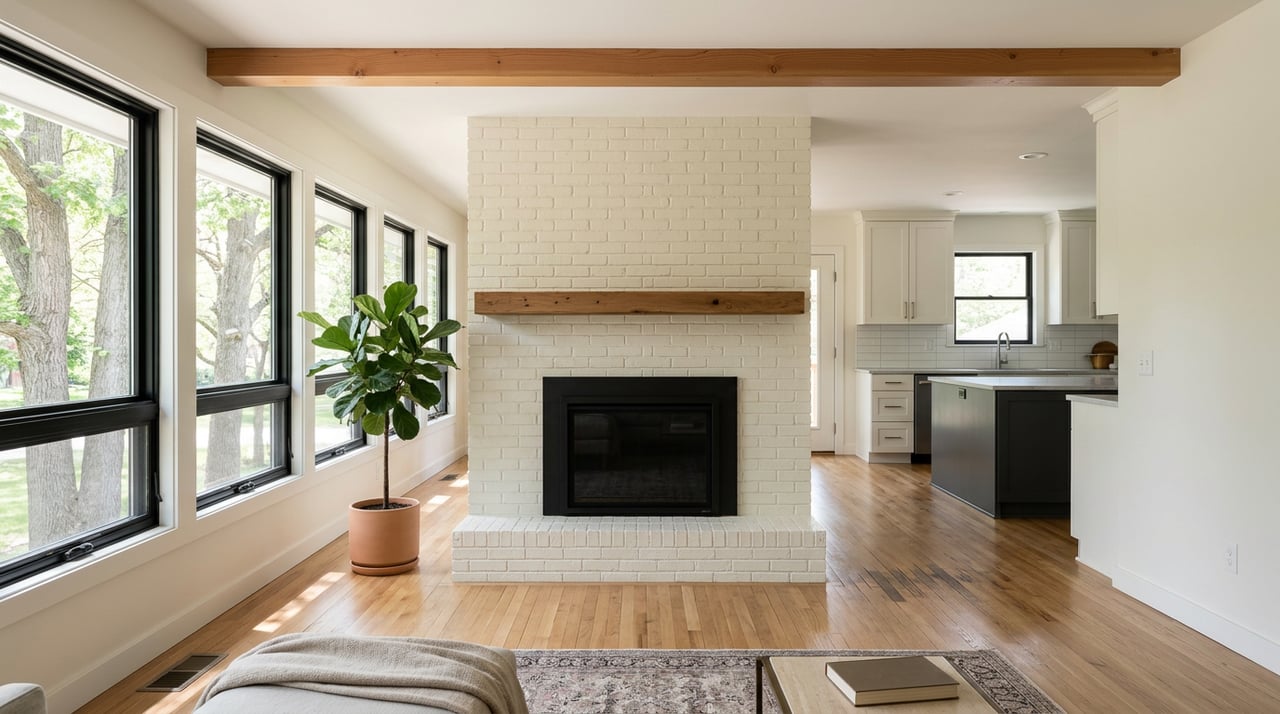
- Older homes often offer unique architectural details, hardwood floors, and mature trees that lend a sense of place. Layouts can be more segmented, which some buyers prefer for privacy.
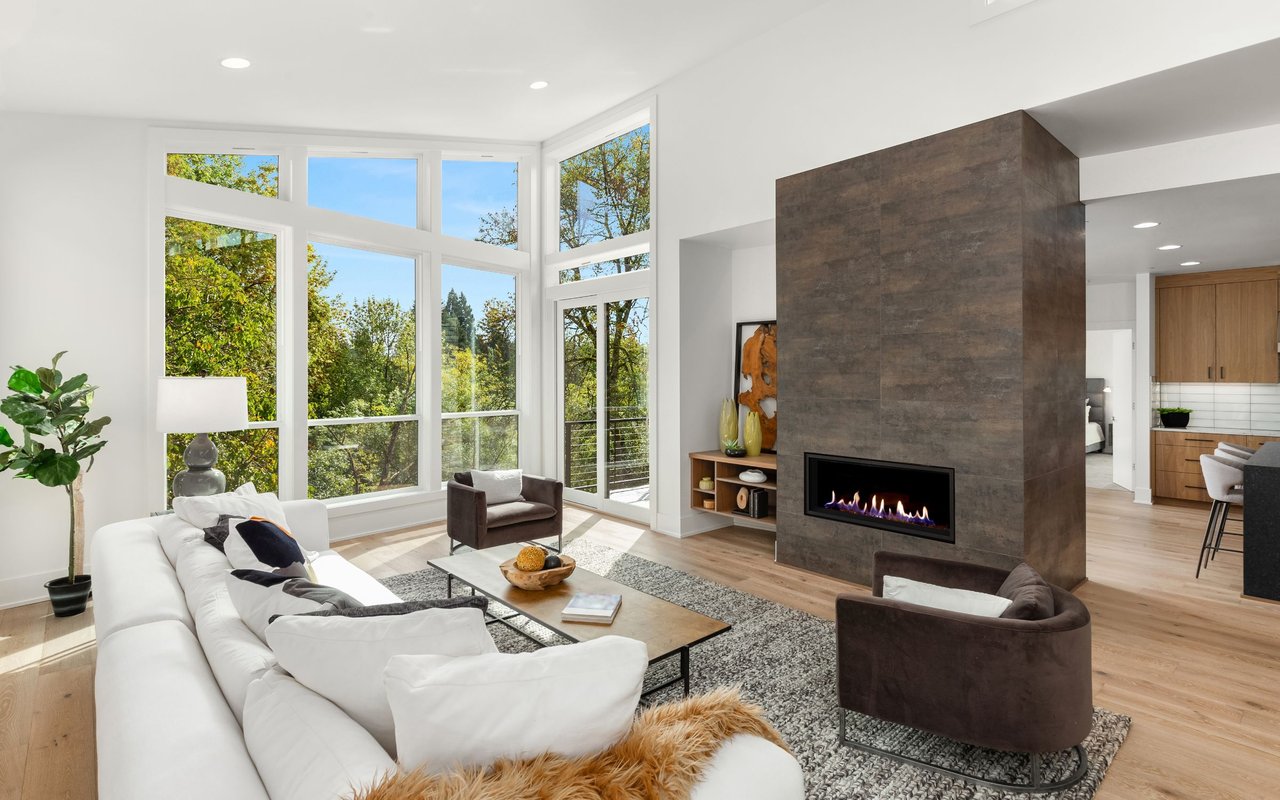
- Newer builds tend to feature open floor plans, higher ceilings, large primary suites, and modern kitchens and baths. If you want turn-key living and minimal remodeling, these can be appealing.
Both options exist across several Shawnee neighborhoods, so match your must-haves to the specific property rather than its age alone.
Schools, commute, and amenities
If school proximity matters, confirm attendance boundaries directly with the district. School assignments can influence neighborhood choice. Visit the Shawnee Public Schools website and verify school-boundary details with your agent and the seller.
Taxes, HOAs, and carrying costs
Property taxes vary by taxing district. Some neighborhoods have homeowners associations with dues or special assessments. Before you write an offer, look up current millage rates and run a sample tax estimate using the Pottawatomie County assessor and treasurer portal. Review any HOA covenants and design guidelines if you are considering a newer subdivision.
Resale and marketability
How quickly a property sells in Shawnee depends most on location, price band, and condition. Updated older homes in convenient areas can attract strong demand, while new subdivisions appeal to buyers who want modern layouts and lower maintenance. In 2025, local activity showed more listings and a modest overall rise in prices compared with 2024, but performance still varied by neighborhood and price point. When you are ready, study recent comps and days on market in the specific areas you like.
What to verify: two quick checklists
| Older homes: key steps | New builds: key steps |
|---|---|
| Confirm the year built and request full seller disclosures. If pre-1978, review lead-based paint info and renovation rules per EPA RRP guidance. | Research the builder’s local reputation. Ask what the warranty covers, who handles punch-list items, and how long major systems are warranted. |
| Order a full home inspection plus targeted checks: electrical panel review, potential knob-and-tube or aluminum wiring, sewer camera, termite and pest, HVAC service history. | Verify permits, passed inspections, and a certificate of occupancy. Request stamped plans and product warranties for roof, HVAC, windows, and appliances. |
| Ask about roof age, prior leaks, and replacement timeline. Review grading and drainage around the foundation. | Review HOA covenants, design rules, and any planned or potential special assessments. |
| Check for historic-district or preservation guidelines if the home is near downtown. | Walk the lot after a rain if possible. Confirm drainage, soil settling, and tree maturity. |
| Budget 10 to 20 percent of purchase price for deferred maintenance and early upgrades, depending on condition. | Request documentation for energy features such as HERS ratings, insulation levels, and equipment efficiency. If incentives matter to you, verify current rules using a resource like the Tax Foundation’s IRA-related guide. |
Which path fits you
- First-time buyer with a tighter budget and some DIY interest. An older home may offer a lower entry price and more yard, but plan carefully for repairs. Consider a pre-offer inspection contingency and ask about renovation-friendly loan options.
- Family that values a larger yard and convenience to schools. Older neighborhoods close to schools sometimes offer larger lots and mature trees. Confirm school boundaries with Shawnee Public Schools.
- Buyer who wants turn-key comfort. A recently completed new build or spec home can reduce near-term maintenance and deliver modern layouts, but review HOA rules and lot drainage before you commit.
- Investor weighing rentability. Updated older homes in stable areas can rent well, and new builds can attract tenants who value energy efficiency and modern finishes. Compare local rental comps and neighborhood-specific days on market.
How we help you decide
Your choice will come down to tradeoffs that are specific to one property at a time. Our team brings local knowledge across East Central Oklahoma, including Shawnee, and we help you compare real maintenance needs, verify permits and boundaries, and spot red flags. We can connect you with trusted partners for mortgage and insurance, coordinate inspections, and guide you through negotiations so you buy with confidence.
Ready to talk through your options and tour the right homes for your goals? Schedule your free consultation with Daniel Sweeney.
FAQs
What is the typical price range for Shawnee homes?
- Recent data points show a broad range. Census QuickFacts lists about $160,100 for owner-occupied value, while online snapshots like Zillow’s view often show recent sale trends in the upper-100s to low-200s.
How do I check if a Shawnee property is in a flood zone?
- Use the FEMA Flood Map Service Center to look up the address and see if it is in a Special Flood Hazard Area, which can affect lending and insurance.
Do older Shawnee homes require lead paint disclosures?
- Yes for pre-1978 homes. Federal rules require seller disclosures, and many renovation activities must follow EPA Renovation, Repair and Painting practices. See EPA RRP guidance.
What should I look for in a tornado-safe home in Shawnee?
- Ask about roof age and materials, review wind and hail insurance, and look for a safe room designed to FEMA standards; this safe-room guidance summary explains common options.
Where can I estimate property taxes for a home in Shawnee?
- Visit the Pottawatomie County parcel and assessor portal to review parcel data, millage information, and run sample tax estimates before you make an offer.