Thinking about moving to Shawnee but not sure where to start? You want a clear picture of neighborhoods, commute realities, and what day-to-day life actually feels like. This guide lays out the essentials so you can choose with confidence. You’ll see how different parts of town live, what weekend fun looks like, and practical steps to make your move smooth. Let’s dive in.
Why Shawnee draws newcomers
Shawnee is a small regional hub in Pottawatomie County, serving as a center for retail, healthcare, and local government services. Life moves at a small-city pace, with a compact downtown and quick access to rural space just outside city limits. You can run most errands locally and drive to larger metro amenities when you need them.
If you value shorter lines, easier parking, and the ability to get almost anywhere in town in minutes, Shawnee may fit your lifestyle. Many residents also like the mix of older neighborhoods, suburban subdivisions, and acreage options nearby.
Neighborhoods at a glance
Historic and downtown living
If you want character and proximity to local shops, look near the downtown core. You’ll find older bungalows and craftsman-style homes, modest single-family properties, and some rentals. The appeal here is convenience to municipal services and a more walk-to-events vibe, with the understanding that most daily trips still happen by car.
Suburban subdivisions
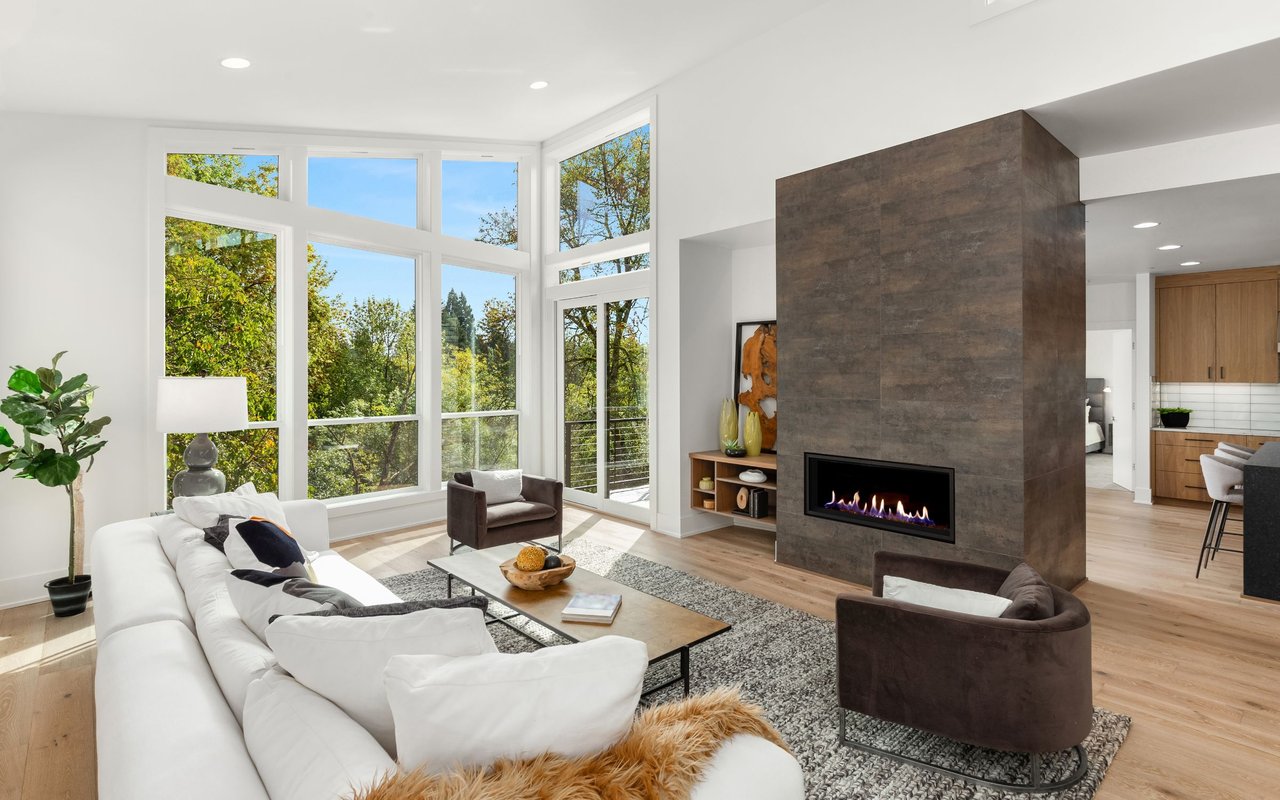
Newer subdivisions on the edges of town offer modern floor plans, attached garages, and yards. Many of these 3–4 bedroom homes were built from the 1990s to recent years. This setup suits buyers who want newer finishes, easy access to main commercial corridors, and straightforward commutes.
Semi-rural and acreage
Just a short drive from town, you’ll find properties with elbow room. Options range from older farmhouses and modular homes to larger custom houses on acreage. If you value privacy, space for hobbies, or room for animals and equipment, this is a strong fit.
Newer and higher-end pockets
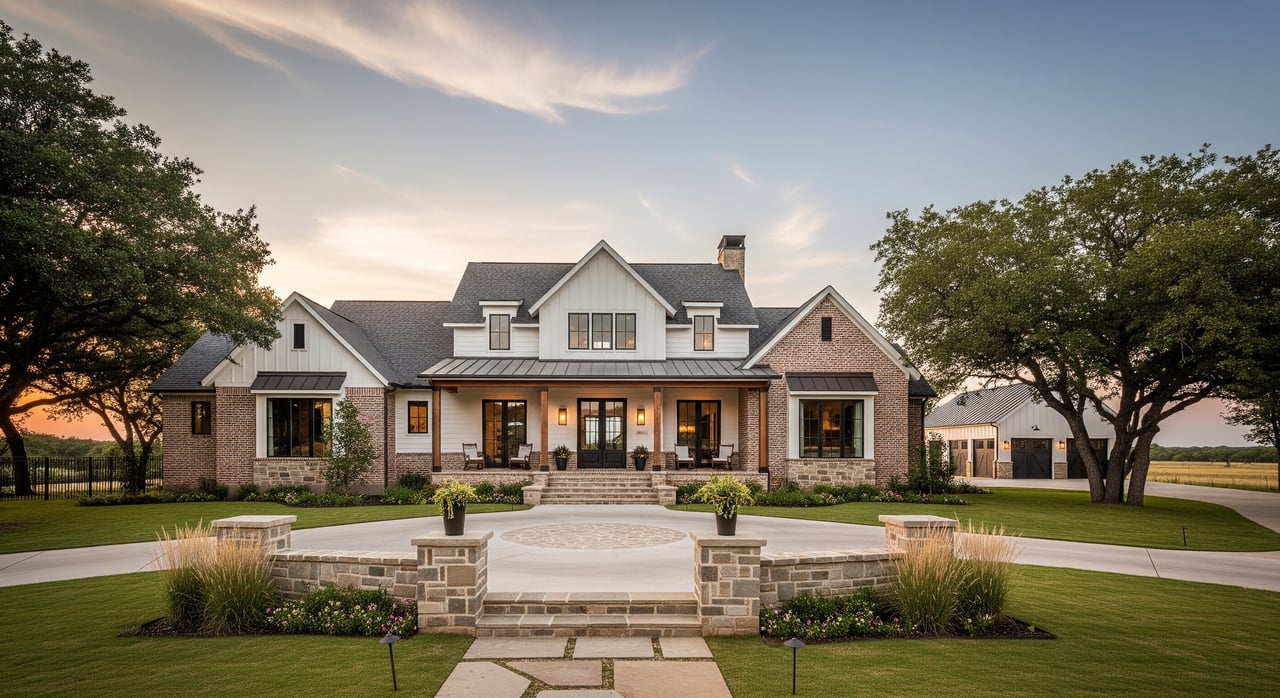
Shawnee also has smaller pockets of newer construction and custom homes that sit above the local median price. These areas can offer larger lots or upgraded finishes while keeping you within the Shawnee market.
What homes cost in Shawnee
Prices vary by location, age, and condition of the property, but here’s a general guide based on typical small Oklahoma cities:
- Entry/affordable: Often older homes, smaller footprints, or fixer projects. In many small Oklahoma markets, entry-level can be under the 150k–200k range. Check current MLS data for Shawnee’s latest numbers.
- Mid-range: Move-in ready 3–4 bedroom homes in suburban neighborhoods typically land in the low-to-mid hundreds of thousands.
- Upper/luxury: Larger new builds, custom homes, and acreage properties sit above the mid-range depending on lot size and finishes.
Home prices can shift quickly. Plan to confirm current medians, active inventory, and recent comps before you make an offer.
Commutes and getting around
Driving is the default
Shawnee is car-oriented. Most residents rely on personal vehicles for commuting and errands. Public transit options are limited compared with larger metro areas.
Regional access and commute times
Many locals commute to employment centers in the Oklahoma City metro or nearby towns. Depending on your exact start and end points and traffic, you can often expect roughly a 30–60 minute driving window. For accuracy, plug your address and destination into a mapping app during your typical commute hours.
Walkability and parking
Downtown and nearby commercial corridors offer the best pedestrian access, but most neighborhoods are car-dependent. Parking is generally easy and low stress, with heavier traffic only during local events or peak travel times.
Parks and weekend fun
City parks and everyday play
You’ll find community parks, playgrounds, sports fields, and walking trails for daily exercise and kids’ activities. Seasonal programming often supports youth sports and pickup games, which helps newcomers plug in fast.
Lakes and outdoor recreation
Regional lakes and reservoirs are popular for boating, fishing, and warm-weather fun. Many residents plan weekend trips within a 30–60 minute drive for water recreation. Always check seasonal access, ramp status, and day-use fees before you go.
Arts and culture
Local museums and arts groups host exhibitions, concerts, and educational programs throughout the year. The Mabee-Gerrer Museum of Art is a known cultural institution in Shawnee. Check current calendars for hours and events as schedules can change.
Shopping, dining, and services
Downtown Shawnee
Downtown is home to locally owned restaurants, cafes, small shops, and service businesses. It often serves as the backdrop for community events, parades, and farmers markets.
Big-box and everyday errands
Larger grocery stores and national chains cluster along major corridors and near highway interchanges. This is where many residents do weekly shopping and larger household purchases.
Healthcare and professional services
Local hospitals, urgent care centers, and primary care clinics cover routine needs. For specialty or advanced care, some residents travel to larger facilities in the Oklahoma City area. Banks, the post office, and government services are centered near downtown and main commercial routes.
Everyday logistics for newcomers
Utilities and municipal services
Expect a typical small-city setup with local water and sewer, municipal or regional electric providers, and a mix of public and private waste collection. Confirm providers for your specific address before you set move-in dates.
Internet and connectivity
Broadband varies by neighborhood and whether you are in town or on acreage. Many subdivisions have cable, DSL, or fiber options, while rural parcels may rely on satellite or fixed wireless. Verify service maps at the address level.
Cost of living
Compared with national averages, housing in smaller Oklahoma cities like Shawnee is usually more affordable. Energy, groceries, and local services follow statewide norms but vary by household. Build a realistic monthly budget that includes utilities, internet, and commuting costs.
Safety and emergency services
Shawnee has local police, fire, and EMS. Response times and coverage are typical for a small city. For detailed station locations or updates, check city or county resources when you finalize your address.
Smart steps before you buy
Use this practical checklist to move forward with confidence:
- Visit at different times of day to gauge traffic, noise, and activity.
- Confirm commute times with live mapping during your actual work hours.
- Check utility providers and broadband options for the exact address.
- Review recent comps, current inventory, and price trends with a local agent.
- Ask about property taxes, floodplain status, and any HOA rules or dues.
- Walk parks, trails, and commercial areas you plan to use weekly.
- If considering acreage, confirm access, fencing, utilities, gates, and any agricultural use plans.
Ready to explore homes in Shawnee?
Whether you want a walkable corner near downtown, a modern 3–4 bedroom in a quiet subdivision, or a few acres for privacy, you have options in the Shawnee area. Our team serves East Central Oklahoma every day and can guide you from financing referrals to closing, including acreage expertise and a smooth, full-service process. If you’re ready to compare neighborhoods or start touring, reach out to Daniel Sweeney to schedule your free consultation.
FAQs
What is day-to-day life like in Shawnee for new residents?
- Expect a small-city rhythm with quick drives for errands, easy parking, local shops downtown, and regional trips to larger metro amenities as needed.
How long is the commute from Shawnee to Oklahoma City?
- Drive times vary by exact addresses and traffic, but many commuters see a 30–60 minute window. Check live mapping during your typical commute hours.
Which Shawnee neighborhoods offer more modern homes?
- Suburban subdivisions on the city’s periphery often feature 1990s-to-recent builds with 3–4 bedrooms, attached garages, and yards.
Are there options for acreage near Shawnee?
- Yes. Semi-rural properties with larger lots and hobby-farm setups are a short drive from town, ranging from older homes to custom builds on acreage.
What price ranges should I expect when buying in Shawnee?
- Entry-level options in small Oklahoma markets can be under 150k–200k, mid-range homes often sit in the low-to-mid hundreds, and larger custom or acreage homes price above that. Verify current MLS data.
What outdoor activities are popular around Shawnee?
- Residents use city parks, sports fields, and walking trails for daily activity and drive to nearby lakes for boating and fishing on weekends.
Is Shawnee walkable without a car?
- Downtown offers the best pedestrian access, but most neighborhoods are car-dependent, and driving is the standard mode for daily life.
Where can I find local events and arts?
- Look to downtown for seasonal festivals, parades, and markets, and check local museums and arts groups for rotating exhibitions and programs.