Thinking about raising young kids in a small Oklahoma city with room to breathe and a rhythm that fits family life? Ada offers that mix of space, community, and convenience many parents want without the rush of a big metro. You care about schools, healthcare, parks, and day-to-day errands that stay manageable with a car seat in tow. This guide walks you through what life can look like for a young family in Ada, from morning dropoff to weekend fun, and gives you a checklist for planning a visit. Let’s dive in.
Why Ada works for young families
Ada is a small city that serves as the hub for Pontotoc County, so you get a compact downtown, local medical services, and a public university in the mix. That scale makes daily life practical for families. You can get across town quickly, attend local events, and still find yards for play.
You’ll notice three anchors that shape family life: a local hospital and clinics for everyday and urgent care, Ada Public Schools for K-12, and East Central University for cultural events, sports, and occasional family programming. Each adds stability and structure to the week.
Housing costs and general living expenses are often lower than larger metro areas, which can mean more space for your budget. Many families choose single-family homes with yards and keep apartments near the university for student-focused living.
Schools and childcare basics
Ada Public Schools is the main K-12 district. Families typically choose homes with an eye on school proximity and straightforward dropoff routes. Attendance zones guide which elementary or middle school your address feeds into, and the district offers athletics and extracurriculars that build community.
For details like test results, student-teacher ratios, and special programs, review the district website and the Oklahoma State Department of Education report cards. These resources let you compare programs and plan for the years ahead. Use them to note school calendars, pickup and dropoff procedures, and extracurricular timelines.
Early childhood and childcare options include licensed daycare centers, in-home providers, and preschool programs. In smaller cities, infant and toddler slots can be limited. If childcare is a priority, get on waitlists early, and consider proximity to your provider when choosing a neighborhood.
Parks and outdoor time
Ada’s parks system supports everyday play with playgrounds, picnic areas, walking paths, and ball fields. You’ll find open lawns for tag, shade trees for summer afternoons, and pavilions for birthday parties. Many families plan a quick stop at a playground between errands because drive times within the city are typically short.
For hotter months, look for splash features or seasonal pools when available, and check youth sports fields for soccer, baseball, and softball signups. Weekends can also include day trips to nearby lakes, trails, and state-park-style recreation. The region offers fishing, hiking, and simple picnic spots within a short haul.
Activities and community
Ada’s public library is a go-to for storytime, summer reading, and quiet play corners. It’s a reliable indoor option when the weather turns or you need a calm hour before nap time. The city’s parks and recreation programs organize youth sports, seasonal camps, and community events that help parents meet neighbors.
East Central University adds another layer with campus performances, lectures, and home games that are easy to access. Families often choose a few annual traditions like a festival, holiday parade, or fun run. Churches, nonprofits, and community centers host playgroups and support programs that round out weekday routines.
Daily errands and shopping
You can cover groceries, pharmacy runs, quick clinic visits, and baby basics in town. The core retail corridors carry most everyday needs, which keeps errands efficient with kids in the car. For specialty items or boutique gear, parents usually plan a bigger shopping day in a larger metro.
If you work from home or have flexible schedules, you’ll appreciate that a typical set of errands can be handled in a single loop. Consider how close you prefer to be to your go-to grocery store and pharmacy when choosing a neighborhood.
Housing and neighborhoods overview
Most family buyers in Ada focus on single-family homes. You’ll see three broad patterns to help you narrow the search:
- Near downtown and ECU: Smaller lots, older craftsman and ranch styles, and walkable access to shops, campus events, and the library. Expect more student rentals mixed in, which can mean more activity and less on-street parking in certain pockets.
- Near school clusters: Quiet residential streets and straightforward school runs. Parents choose these areas to simplify pickup and after-school activities.
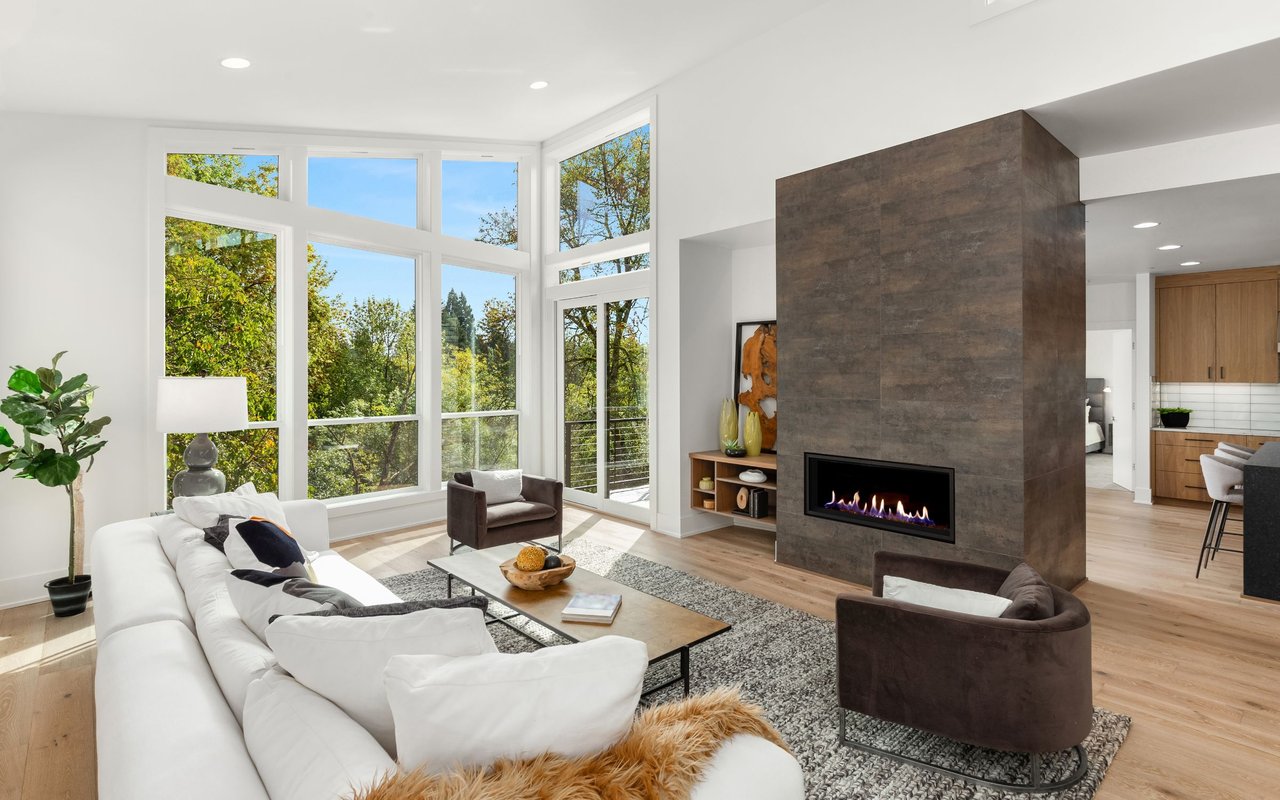
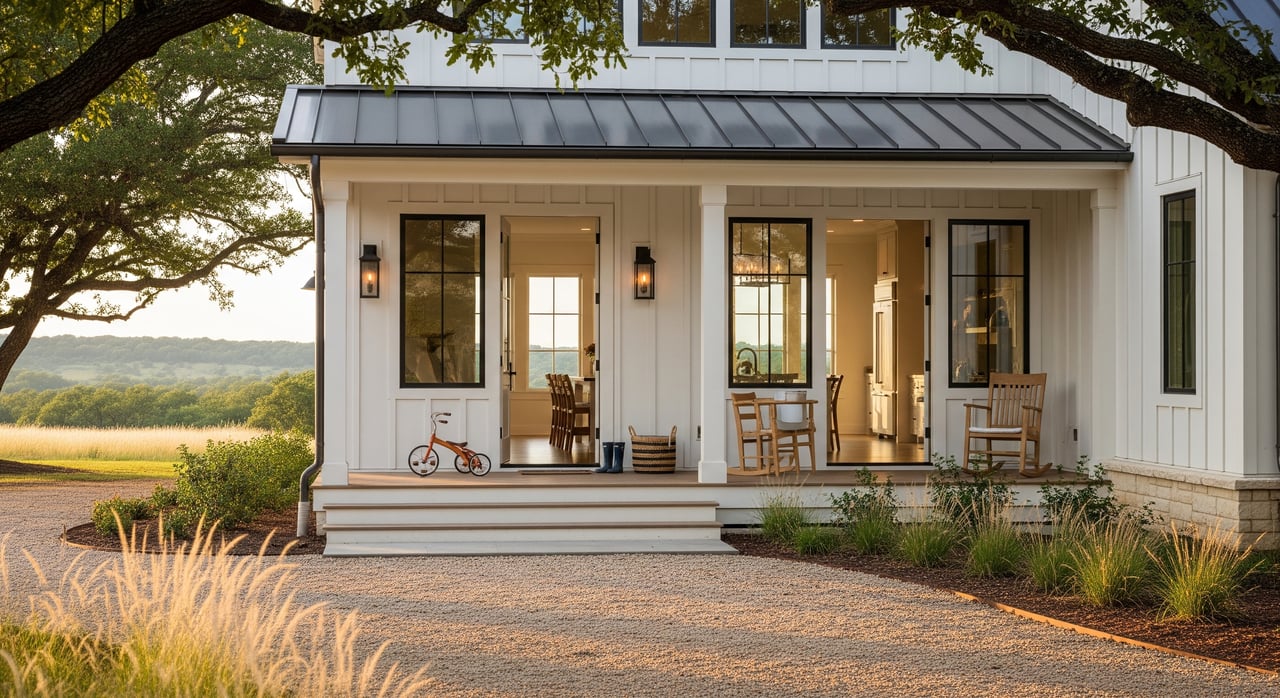
- Outskirts and newer subdivisions: Larger lots, newer builds, and calmer cul-de-sacs. These areas appeal if you want a bigger yard, room for a swing set, and easy garage parking.
Rental options exist near the university and in select complexes across town. Families often choose stand-alone homes for space, storage, and yard play. If you’re comparing options, weigh your budget, maintenance preferences, and commute against your need for a yard and proximity to parks and schools.
Cost of living and ownership basics
Housing in small Oklahoma cities is often more affordable than national averages, and many families find they can buy a larger home or yard compared with bigger metros. If you want to fine-tune your budget, look at typical owner costs like utilities and property taxes in Pontotoc County and compare them to your current payments. Families using FHA, VA, or USDA financing often find workable options here, and planning early helps you move quickly when the right home appears.
If you’re moving from out of town, it’s helpful to preview monthly costs, including insurance and utilities, and factor in yard care or any outbuilding maintenance common to larger lots.
Commute and transportation
Ada is a driving-first city. Most parents rely on cars for school runs, grocery loops, and work commutes. Public transit is limited or specialized, so you’ll plan around personal vehicles.
The upside is shorter, more predictable drives inside city limits. Regional highways connect you to neighboring towns and larger job centers for occasional trips. When you tour, practice your typical route at school dropoff or late afternoon to gauge patterns.
A week in the life
- Monday: School dropoff, a quick commute, and lunch at home. After school, head to a neighborhood park for thirty minutes before homework. Dinner, bath, and an early night.
- Tuesday: Daycare dropoff for the toddler and a pediatric checkup mid-morning. Nap, then library time for a craft session. Evening soccer practice on a lit field.
- Wednesday: Work-from-home morning and a grocery run midday. After school, piano practice and a loop through the drive-thru for a treat.
- Thursday: Preschool pickup and a playdate at a park with shaded seating. Parents trade carpool duties to keep schedules smooth.
- Friday: Pizza night and an ECU home game or a community event downtown. Kids sleep hard after the excitement.
- Saturday: Yard time with bikes and chalk, then a short drive to a nearby lake for a picnic. Home for naps, then a neighborhood barbecue.
- Sunday: Relaxed morning and a quiet library visit. Plan the week, check the school calendar, and set out backpacks.
Visit checklist for parents
Use this list to make the most of a scouting trip:
- Map school dropoffs. Drive from target homes to your assigned elementary or middle school at pickup time.
- Check the nearest playground. Walk it with a stroller and note shade, benches, and restrooms.
- Time your errand loop. Hit grocery, pharmacy, and a quick clinic to feel the actual drive times.
- Walk a block or two. Look for sidewalks, lighting, and crosswalks on streets you’ll use daily.
- Confirm childcare. Call licensed centers and in-home providers about availability and hours.
- Review healthcare access. Note your route to urgent care and the hospital, and confirm pediatric services.
- Scan community calendars. Look for youth sports signups, library events, and ECU family programming.
Common tradeoffs to consider
- Transportation: You’ll likely rely on a car. If you prefer public transit, plan for ridesharing or carpooling.
- Specialty services: Certain pediatric specialties or boutique childcare options may require trips to larger cities.
- After-school options: Enrichment choices can be more limited than a metro. Many families fill gaps with library programs, youth sports, and ECU events.
- Rental vs. purchase: Apartments near campus can be lively and convenient, while homes farther out offer more space and quiet.
How we can help
If Ada fits your family’s priorities, the next step is a clear plan. Our team can help you fine-tune neighborhoods by school proximity, park access, and commute routes, then match you with homes that fit your budget and financing. We can also connect you with local lenders familiar with FHA, VA, and USDA options and insurance partners to price your monthly costs accurately.
Sweeney & Associates Real Estate is a local, family-led brokerage with deep roots in Ada and across East Central Oklahoma. We combine small-town service with modern tools, handle residential and rural properties, and stay responsive when you need quick answers. When you are ready, we will help you compare neighborhoods, preview homes, and move with confidence.
Ready to plan your move or a scouting visit? Reach out to Daniel Sweeney for a friendly, no-pressure conversation. We will map homes to your daily routines, connect you with local resources, and make the process simpler from first call to closing.
FAQs
Are Ada public schools a fit for my child?
- Review district resources and the state report cards for programs, student-teacher ratios, and calendars, then match a home search to your preferred schools and routines.
What childcare options will I find in Ada?
- Expect a mix of licensed centers and in-home providers; infant and toddler slots can be limited, so start calls early and consider location and hours when choosing neighborhoods.
How close is pediatric and emergency care in Ada?
- Ada hosts hospital and clinic services within city limits; most families choose homes with straightforward routes to both urgent care and the hospital.
What are typical housing choices for young families?
- Many parents focus on single-family homes near schools or in newer subdivisions for more yard space; apartments near the university tend to serve more student renters.
How long will my commute be in Ada?
- Most daily trips are by car and are shorter than those in larger metros; try your school and work routes at busy times to set expectations.
Where do families spend weekends in Ada?
- Local parks, the public library, and youth sports are staples, with occasional ECU events and short day trips to regional lakes and trails.
Can I keep costs predictable as a first-time buyer?
- Plan early with a local lender, price utilities and insurance, and weigh HOA or yard care needs; many families find ownership fits within a manageable budget here.